Research

Themes, methods, and current directions

My research combines atomistic simulations, electronic-structure methods, and machine learning to understand the behavior of complex materials and interfaces. I focus on systems where local structure, disorder, and chemistry strongly influence macroscopic functionalities.

Disordered materials, glasses, and glass-ceramics

Disordered materials, glasses, and glass-ceramics

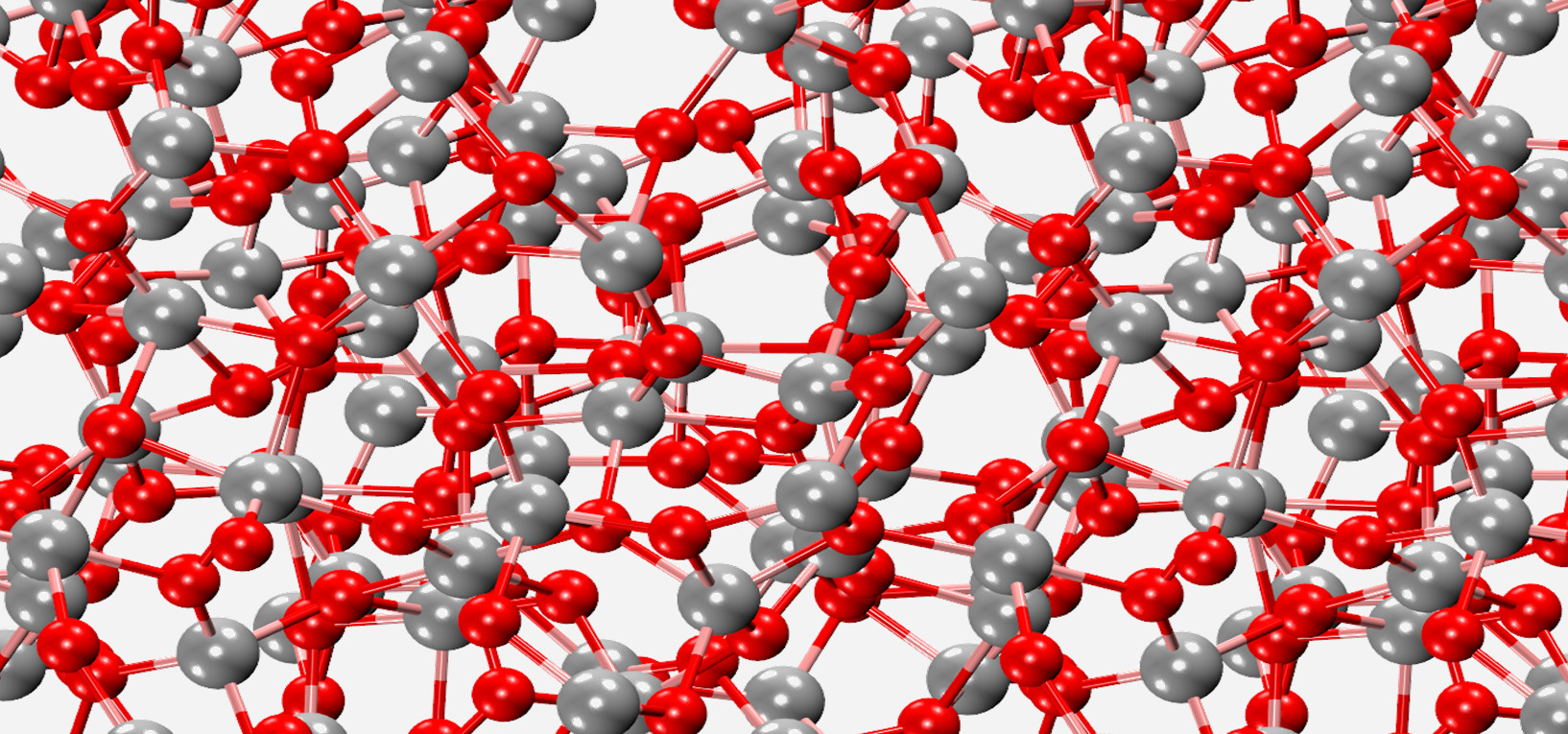
I investigate structural, vibrational, dynamical, and electronic properties of oxide and chalcogenide glasses, as well as glass-ceramic materials. A central objective is to uncover structure-property relationships in systems with strong local disorder.
Electrochemical interfaces and catalysis

Electrochemical interfaces and catalysis

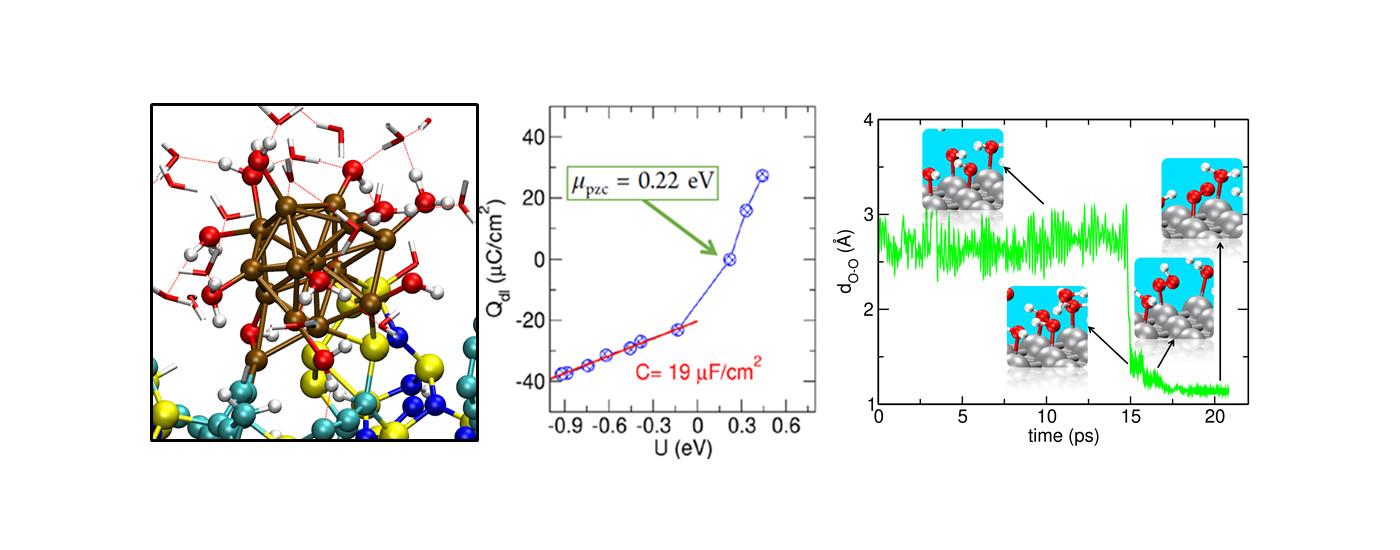
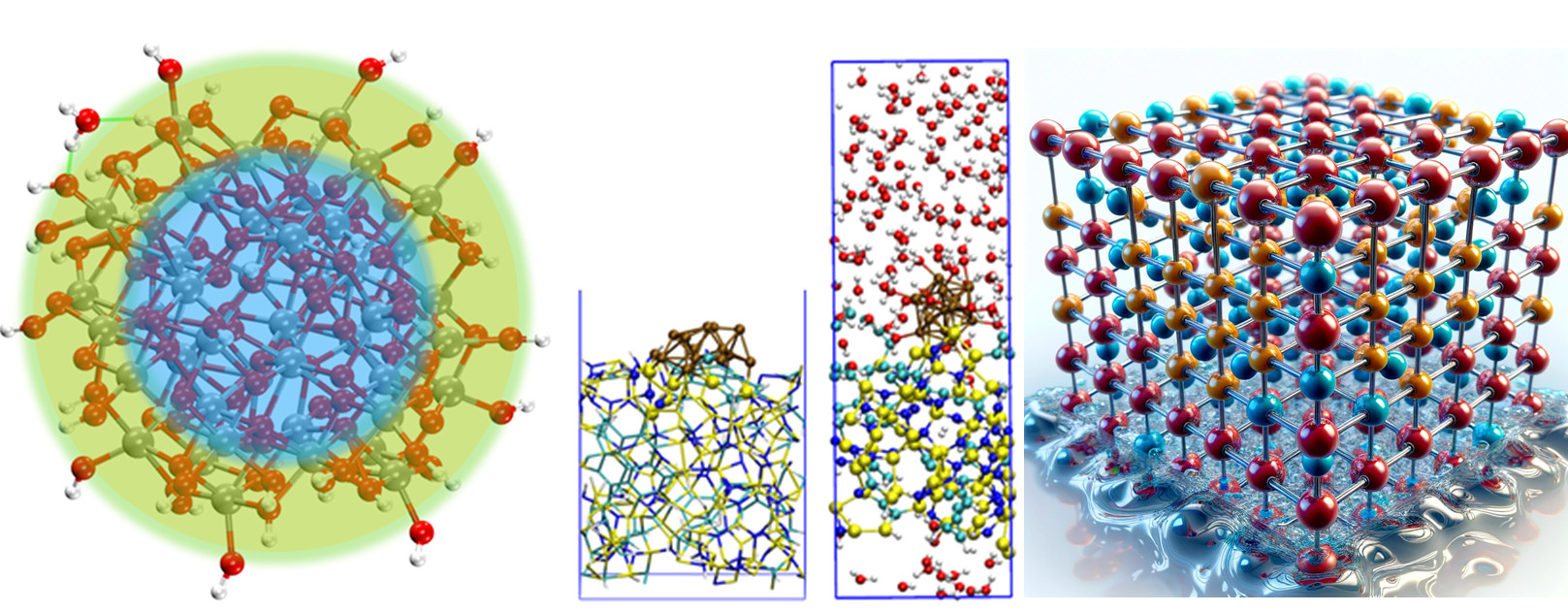
I develop and apply first-principles approaches to electrified solid-liquid interfaces, electrocatalysis, and hydrogen-related reactions, including methods based on constant Fermi-level simulations and hybrid explicit-implicit solid-liquid interface modeling.

Advanced ceramics and energy materials

Advanced ceramics and energy materials

My work addresses cathode materials, high-entropy ceramics, nanoparticles, catalytic ceramics, and materials relevant to electrochemical energy storage and conversion.

Machine learning for materials science

Machine learning for materials science

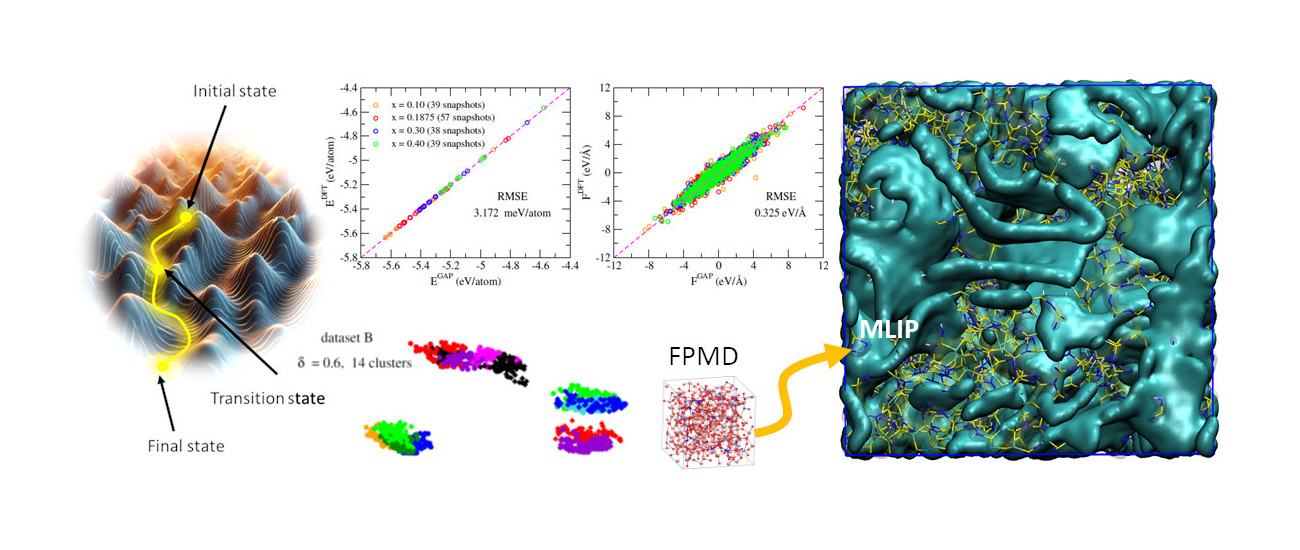
I use machine learning, active learning, clustering, and automated workflows to accelerate materials screening, optimize compositions, and build generalizable, predictive interatomic machine learning potentials.

Methodological toolbox

Density functional theory First-principles molecular dynamics Machine-learned interatomic potentials Classical molecular dynamics High-throughput screening Active learning Advanced sampling Scientific programming HPC computing AI-assisted optimization

Current research directions

Materials AI

Design and discovery of high-entropy ceramics

Automated and machine-learning-driven frameworks for screening and optimizing complex ceramic compositions for energy applications.

MLIPs

Machine-learned interatomic potentials for polymer-derived ceramics

Development of machine-learned interatomic potentials for large-scale simulations of polymer-derived ceramics such as SiCNH, with a focus on microstructure formation, structural organization, and the prediction of composition-structure-property relationships.

Electrocatalysis

Hydrogen evolution and water splitting

First-principles modeling of catalytic materials, electrode-water interfaces, and alkaline HER/OER processes.

Glasses

Structure and properties of disordered oxides

Quantitative modeling of sodium-, tellurium- and vanadium-based glasses and related complex amorphous systems.